Most of the DC traction motors in service today are EMD-era units, originally manufactured in the 1950s through 1970s and rebuilt repeatedly since. They are quality equipment with decades of proven performance behind them, but they are not immune to failure. When one goes down, what happens next depends almost entirely on the preparation you have in place and the repair partner you have on call. Here is what you need to know.
Common Causes of Traction Motor Failure
Traction motor failures tend to follow patterns. Knowing what to watch for does not prevent every failure, but it helps you respond faster and manage repair costs more predictably when something goes wrong.
Bearing Failure
Bearing failure is the most common issue, the same as with any electric motor. Bearings wear under load and degrade faster in the environment that a locomotive creates. When a traction motor bearing goes, the motor fails.
Bad Leads
Bad leads are connection points that degrade over time and use. They show up frequently during any thorough inspection, especially on older units that have been in service for years.
Shorted or Bad Windings
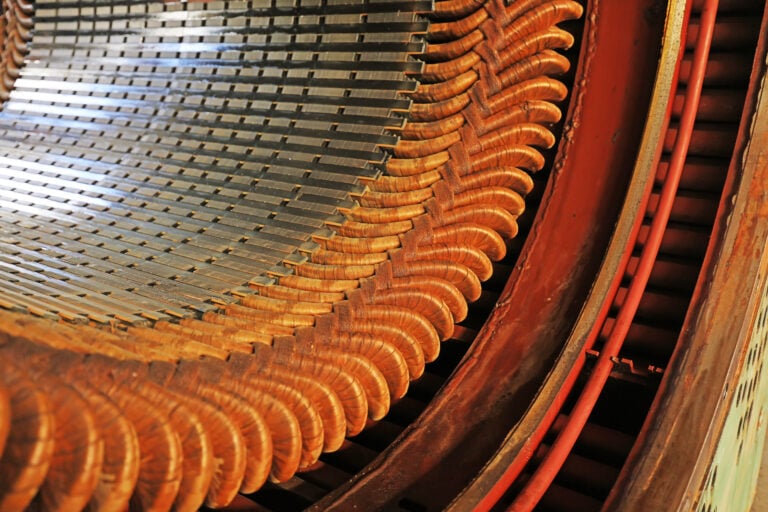
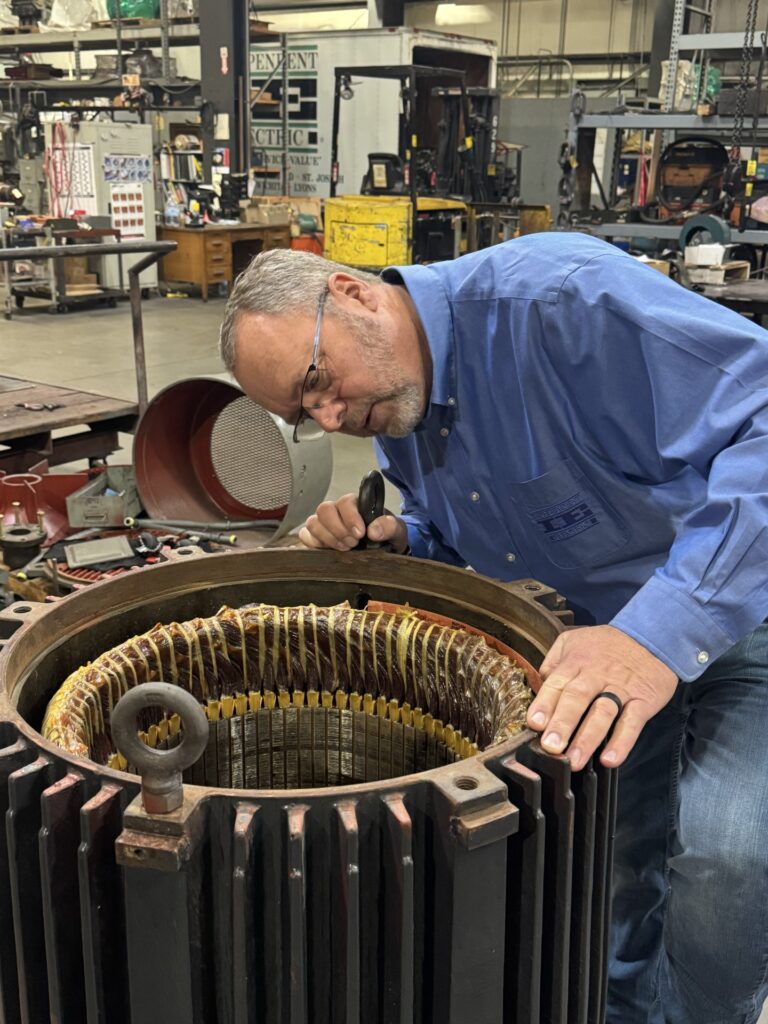
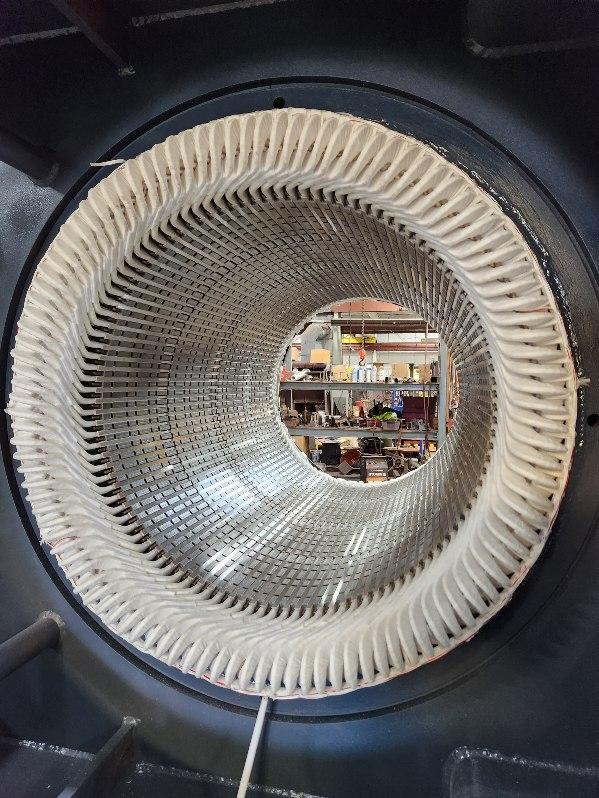
Shorted or bad windings are where moisture does its damage. Traction motors get wet. They get dirty. They arrive at a repair shop looking rough, and the windings reflect every mile of that service history. Moisture breaks down winding insulation over time, which leads to shorts that range from manageable to catastrophic depending on how long the problem has been developing before anyone noticed.
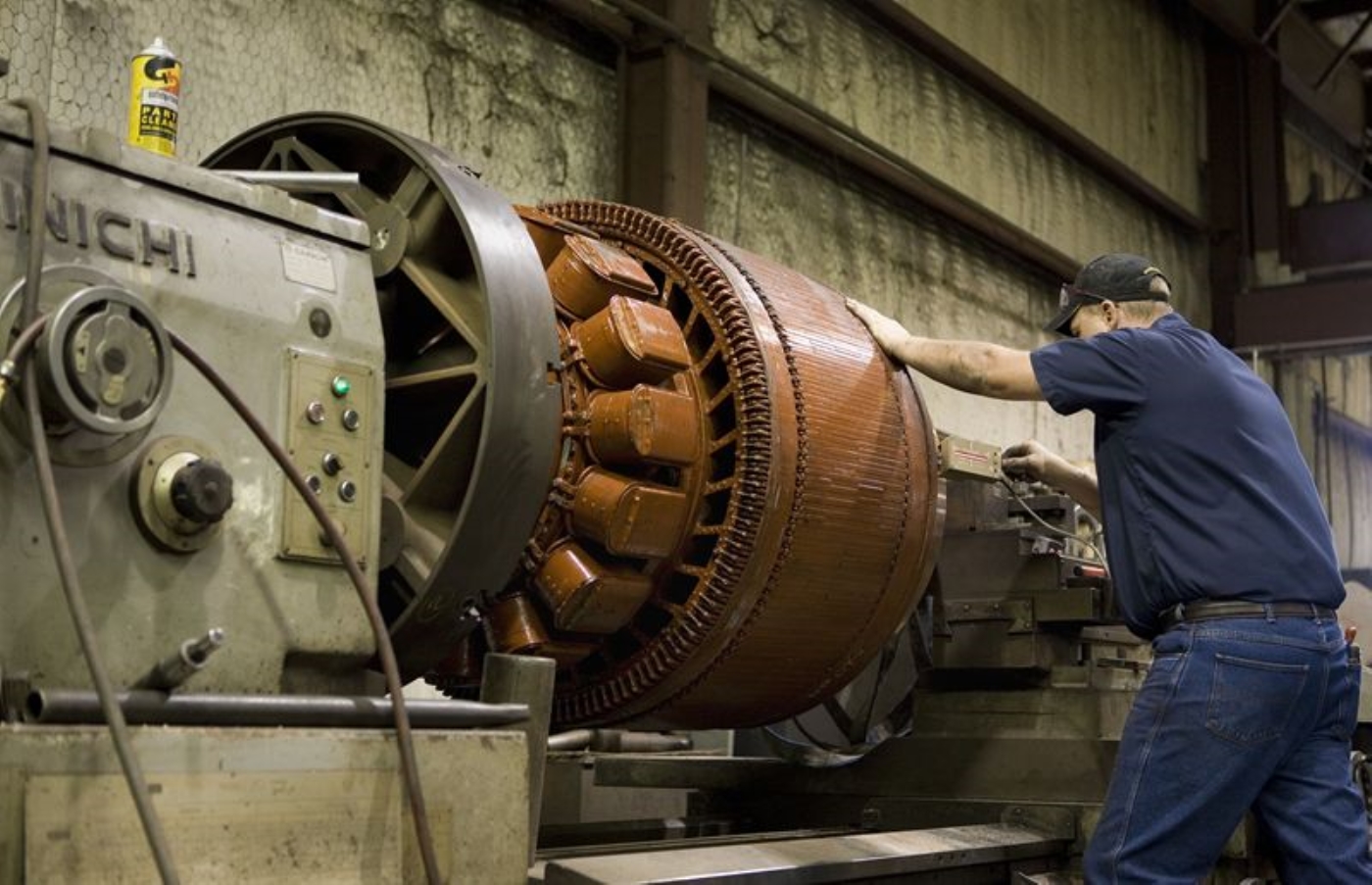
Field coil failure is the more serious version of the same problem. Field coils are windings too, part of the magnet system inside a DC motor, and when one fails, the repair cost goes up. An experienced maintenance person can often get an early signal through insulation resistance testing, also called megger testing, before the unit is sent in for repair. The test measures winding insulation integrity and can flag a developing field coil problem before it becomes a full failure. Catching it early won’t lower the repair cost, but it removes the surprise.
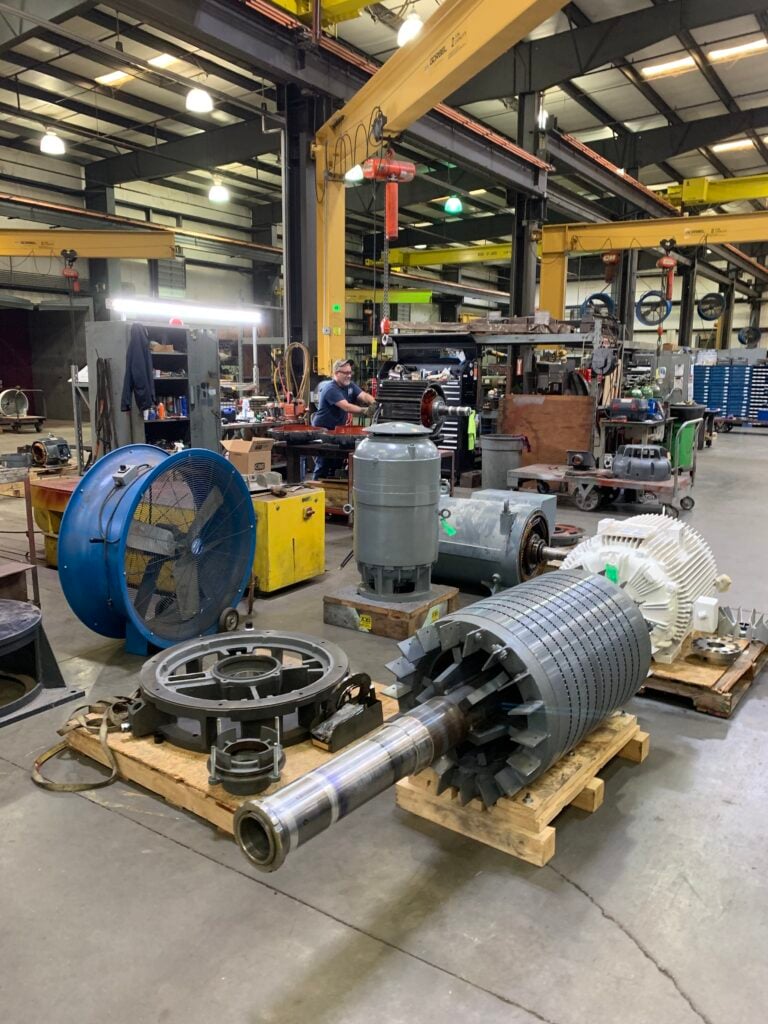
When IE receives a core, there is baseline pricing for a standard cleanup: disassembly, cleaning, new bearings and seals, and a full test before the unit goes back on the shelf. If the unit opens up and reveals something deeper (like bad field coils or leads), adder charges apply for that additional work. A repair partner worth working with communicates those adders clearly and early, rather than at the bottom of the final invoice.
Traction Motor Maintenance Best Practices for Shortline Railroads
Most shortlines operate reactively. Tight margins, fluctuating diesel prices, and fixed maintenance budgets make spending money on motors before they fail a hard sell internally.
That said, there are things shortline maintenance teams can do to reduce unplanned failures without standing up a formal program from scratch.
Store your units properly.
If you have traction motors sitting in inventory or out in a boneyard, leaving them outside is one of the fastest ways to ruin them. Keep units indoors. Spin the shaft periodically to prevent grease buildup that locks bearings over time. Run periodic insulation resistance testing on anything in long-term storage so you catch developing winding issues before a unit goes back into service and fails somewhere you cannot afford it.
Build a small spare inventory.
One shortline railroad working with IE keeps a small stock of ready spares in their warehouse, typically a handful of motors ready to be plugged in. When a motor fails, they send it in for repair and return, a three to four week turnaround, without pulling a locomotive out of service. Without those spares, they would need an emergency core exchange for every failure, and every failure would take a locomotive off the line while they waited.
Use planned maintenance windows when you have them.
Some shortlines pull one locomotive at a time for scheduled maintenance. If your operation allows for that, it is an opportunity to send traction motors in for a baseline cleanup before failure rather than after. The cost of proactive maintenance is predictable. The cost of unplanned downtime is not.
Understanding Your Service Options: Core Exchange, Repair and Return, and Outright Sale
Three service paths exist for traction motor repair. Which one fits depends on your inventory situation and how quickly you need to be back up and running.
Core Exchange
The fastest option. IE maintains an inventory of rebuilt, ready-to-ship traction motors. When your motor fails, you send in the bad unit (that is what “the core” means) and we ship a rebuilt unit from stock. For customers in Kansas and the surrounding region, this can happen the same day. One of our largest railroad customers gets same-day cores because of their proximity to the Lyons, KS shop.
Repair and Return
The right choice when you can afford a few weeks of wait time and want your specific unit back. IE receives your motor, performs the full repair, and returns that unit, typically in two to four weeks.
Outright Sale
Covers the situation where your core is too far gone to fix economically. When a unit comes in and the inspection reveals catastrophic damage, we will give you a clear picture of the repair cost. If purchasing a rebuilt unit from stock makes more sense, that option is available, with no core exchange required.
Whichever path fits your situation, having a partner with inventory on hand accelerates all three of them.
What to Do With Your Boneyard
Traction motors end up in boneyards for all kinds of reasons, and most of them just sit there because no one has taken the time to figure out which ones are worth saving.
Some of those units are repairable. Some are worth bringing to a shop for a closer look. Some should be scrapped.
We offer on-site boneyard evaluations, though availability is location dependent. A technician visits, works through whatever traction motor inventory is on site, and comes back with a clear report: this unit is repairable, this one you should scrap, this one is worth bringing back to the shop for a closer look. We have done this with shortline customers and come away with rebuilt units now stocked on our shelf, reserved and ready to ship when that railroad needs them.
Every railroad boneyard is different, but the principle is the same. Equipment sitting unused in a field is a liability. Evaluated, rebuilt equipment on a partner’s shelf is an asset you can call on the day a motor goes down.
The Right Repair Partner Changes Everything
Shortline railroads are not going to rebuild a traction motor in the field. When one fails, the partner you have in place determines what the next few days look like. When evaluating a repair shop, four things matter most:
- Proximity. Fewer shops do DC traction motor work than most people realize. There is no traction motor repair capacity in Kansas or Missouri outside of IE. Distance means longer turnaround and higher shipping risk.
- Quality. A bad repair sends the motor right back to the shop. IE’s EASA-accredited facilities perform all railroad repairs to AAR standards.
- Inventory. A shop without rebuilt units in stock can only offer repair and return. Inventory means options when you need a fast swap.
- Communication. Knowing where your repair stands, even when things are on schedule, matters when a locomotive is out of service.
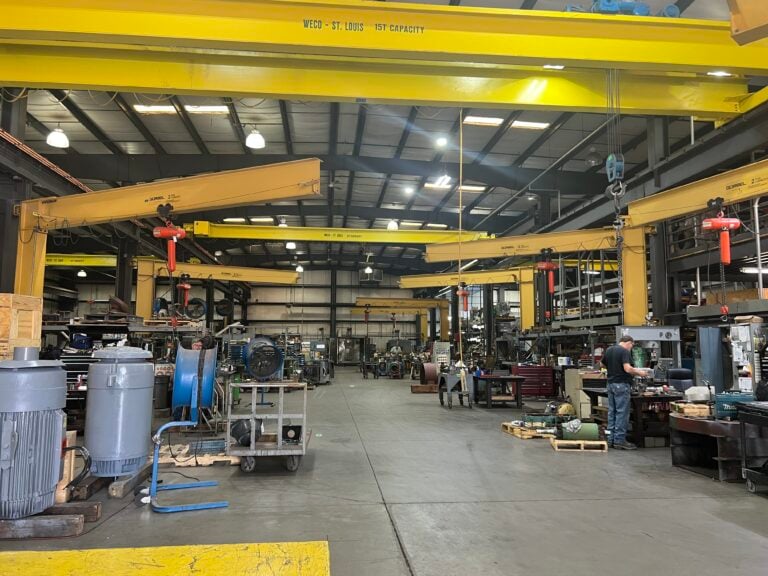
Independent Electric is the only traction motor repair shop in Kansas and Missouri, with a growing inventory of rebuilt units and a core exchange program built around the way shortline operations work.
Traction motors are only part of what we handle. We rebuild the other rotating equipment on the locomotive too: main generators, auxiliary generators, fans, and blowers. One partner for the rotating equipment across your fleet means one shop to call when something goes down.
Ready to talk through your railroad’s repair needs? Contact our team or learn more about our railroad services.