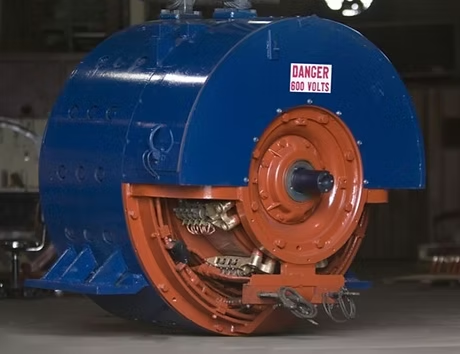
Picture this: Your critical production motor starts making a strange humming sound. Before you can investigate, smoke pours out. The motor shuts down completely. Your line stops. And when your motor service partner inspects it, the news isn’t good: it needs a rewind. The quote? $15,000 to $20,000. The lead time? Two to four weeks. The cost of being down that long? That’s the number that really hurts.
This is what a catastrophic electrical failure looks like. And it’s exactly what PdMA testing can help you prevent.
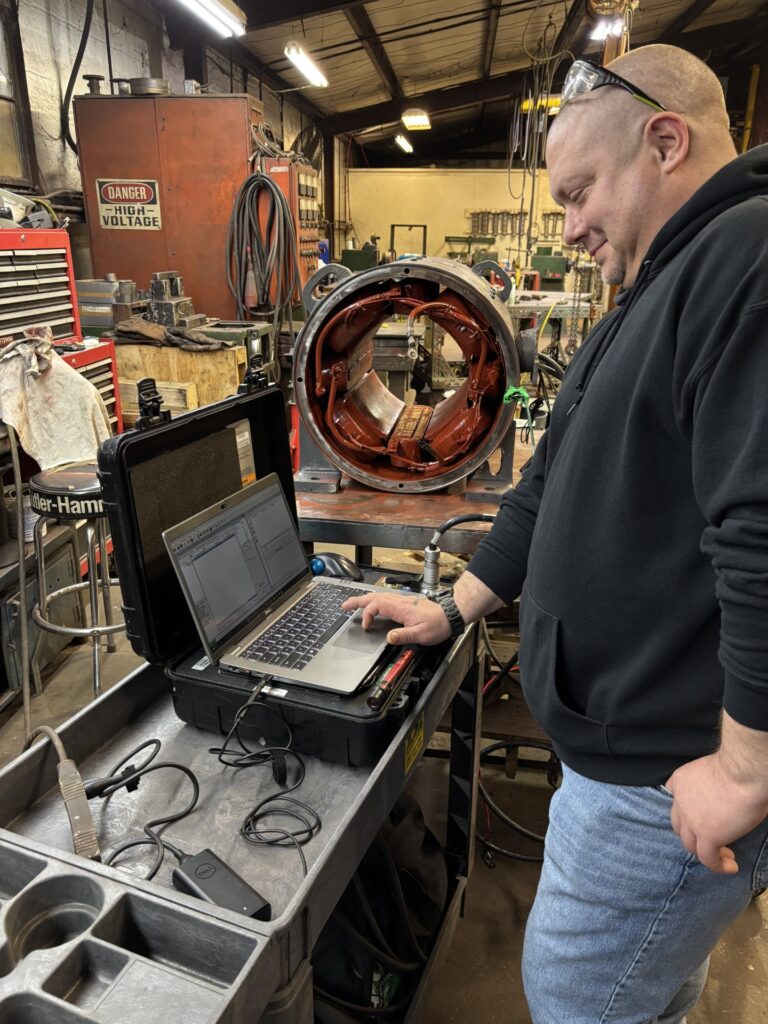
PdMA (Predictive Maintenance Assessment) testing evaluates the electrical health of your motors, catching problems before they become catastrophic failures. In this article, we’ll break down the issues that PdMA testing detects and what those failures actually cost when you don’t catch them early.
Three Critical Failures PdMA Testing Prevents
1. Insulation Breakdown and Winding Shorts ($15,000-$20,000+ Per Failure)
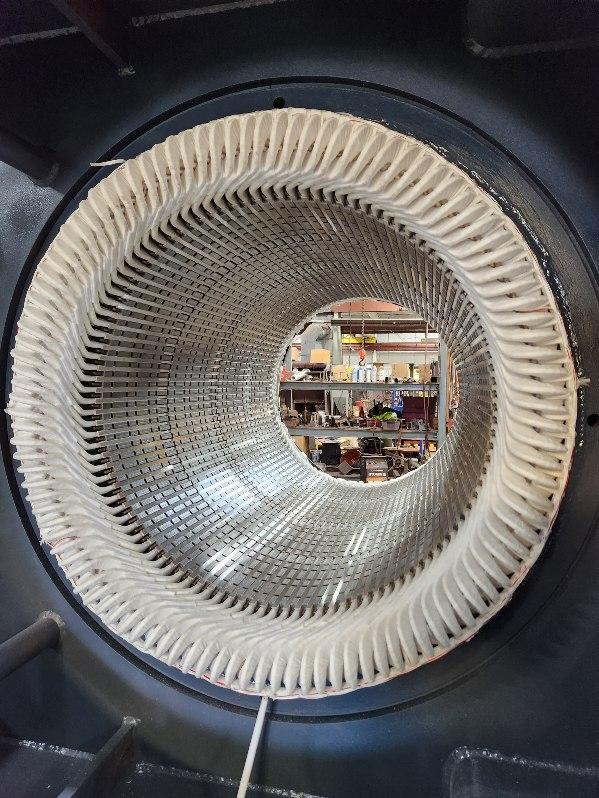
This is the catastrophic failure that forces complete motor rewinds. Inside your motor, thousands of copper wires are coated with enamel insulation and then varnished for additional protection. When insulation fails completely, you get shorts. When windings short out, the motor stops working—often permanently, until it’s rewound.
PdMA testing measures insulation resistance precisely. It can identify degradation months before failure occurs. The first test might show good insulation resistance. Three months later, the reading drops slightly—not urgent, but noteworthy. Three months after that, degradation has accelerated. Now you know that it’s time to schedule a rewind during your next planned shutdown—while you can still plan for the expense and avoid costly downtime and rush fees.
That’s the difference between a planned repair during scheduled maintenance and an emergency failure that shuts down your operation.
2. Rotor Bar Damage (Complete Motor Rebuild Required)
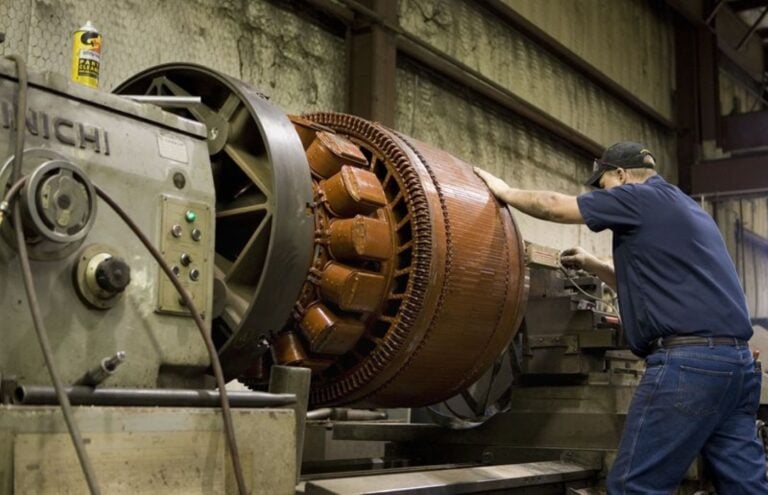
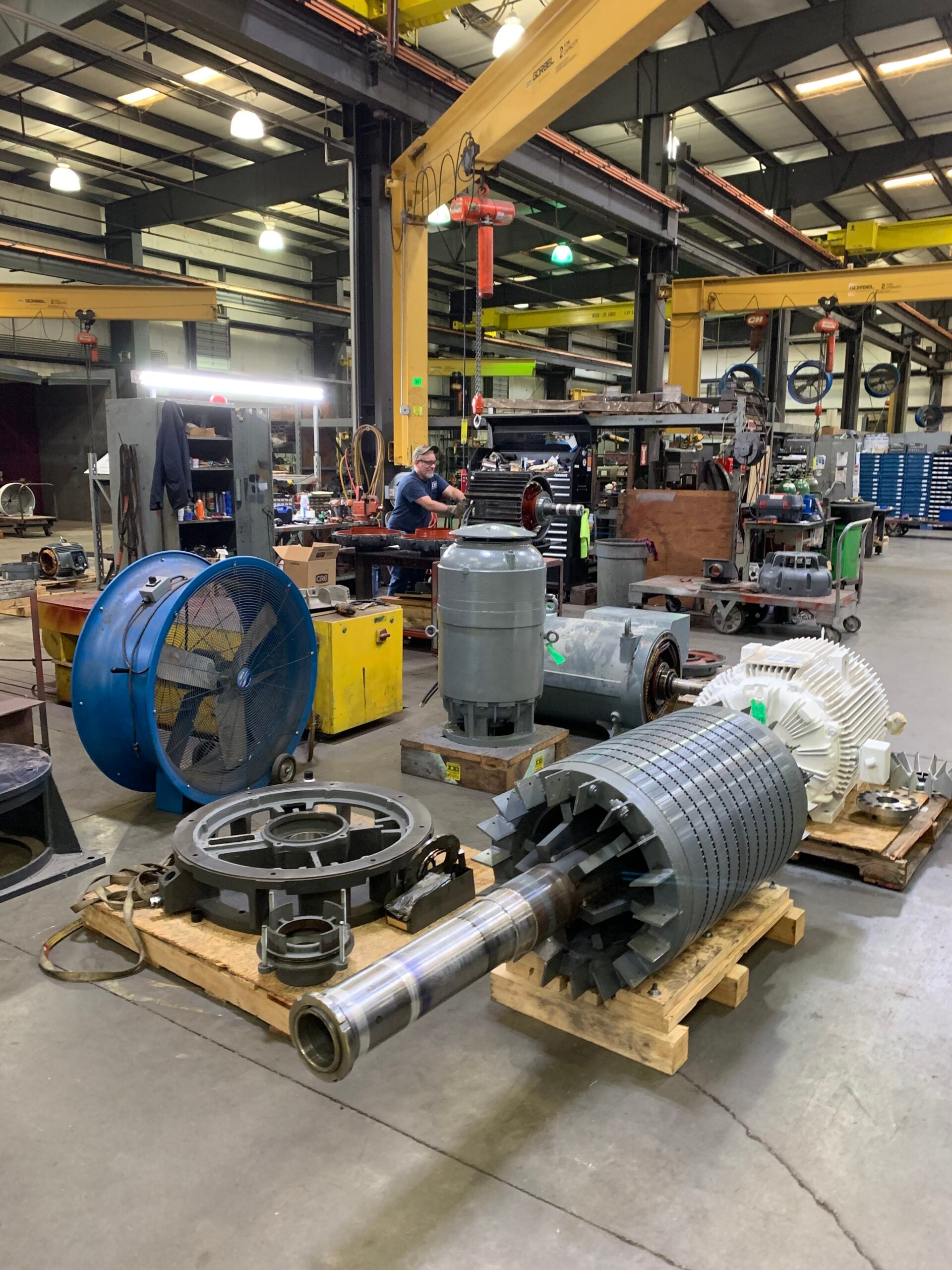
Your motor’s rotor has bars connecting the two ends. These bars must remain intact for proper rotation. When rotor bars crack or break, the motor’s ability to rotate and drive your equipment suffers.
Rotor bar damage is particularly insidious because the motor might continue running—just not well. Performance drops. Efficiency decreases. But because it’s still running, you might not realize there’s a serious problem developing until the damage becomes catastrophic.
PdMA testing identifies rotor bar problems even when the motor seems to be running normally.
3. Phase Imbalances (Accelerated Wear and Efficiency Loss)
Three-phase motors need all three phases pulling evenly. When one phase starts pulling differently from the others, it creates stress across the whole electrical system. The motor runs hot. Efficiency drops. And the imbalance accelerates wear on all electrical components.
Phase imbalances don’t usually cause immediate failure. Instead, they cause progressive damage that shortens motor life, increases energy consumption, and eventually leads to more serious problems.
The Real Cost of Electrical Failures
Consider what a single catastrophic electrical failure actually costs:
- Direct repair costs: A motor rewind starts at $15,000-$20,000 for smaller motors. Larger motors cost significantly more.
- Lead time costs: Standard rewind lead time is 2-4 weeks. Rush service commands premium pricing.
- Downtime costs: This is where the real expense lives. What does your operation lose when a critical motor is down for three weeks?
- Emergency response costs: Catastrophic failures don’t usually happen during business hours on Tuesday afternoon.
Total formula: Repair cost + Downtime cost + Rush premiums + Emergency response = The real cost of catastrophic failure
What PdMA Testing Actually Costs (The ROI)
PdMA testing is typically performed on a route-based schedule—quarterly, semi-annually, or annually, depending on motor criticality.
- The ROI calculation is straightforward: If PdMA testing prevents even one catastrophic failure on a critical motor, it pays for itself many times over.
- The “runway” advantage: PdMA testing creates trending data over multiple visits. You watch the insulation resistance gradually decline over three or four quarters. You schedule the rewind during your planned holiday shutdown instead of experiencing an emergency failure during peak production.
When PdMA Testing Makes Sense
- Critical three-phase motors: If the motor failure would halt production or cause significant operational problems
- Motors where failure halts production
- Operations where downtime costs exceed testing investment
- Capital planning scenarios
Prevention Is Always Cheaper Than Emergency Response
The failures PdMA testing prevents—insulation breakdown, rotor bar damage, and phase imbalances—are the expensive electrical problems that force complete motor rewinds. Catching them early turns emergency repairs into planned maintenance.