A locomotive runs on six traction motors, one per axle, and they may not give much warning before they fail. Depending on the failure and the safety systems in place, a locomotive might keep running at reduced power, or it might get pulled from service the moment an alarm catches it. Either way, an unplanned traction motor failure turns into downtime fast, on equipment that’s expensive to replace and slow to source new.
What can break and how to fix it varies between AC and DC motors. In this article, we’ll cover the most common failure modes for AC and DC traction motors and the typical strategies we use to prevent and fix them.
AC vs DC Traction Motors: Why the Difference Shapes How They Fail
A large share of the locomotives running today still use DC traction motors, many of them built by EMD back in the 1970s through 1990s. That might sound like equipment that should have been retired decades ago, but the opposite is true. These units are still considered the standard for what belongs on a locomotive, which is a big part of why railroads keep rebuilding them instead of replacing them. A new locomotive can run a couple million dollars, and a good chunk of that cost is the traction motors themselves. Rebuilding a proven DC unit gets you back on the rails for a fraction of the price.
Newer locomotives are increasingly built with AC traction motors instead. The construction is different enough that it changes where problems tend to show up, though the field data on AC-specific failure patterns is still developing as more of these units move through repair shops like ours. What hasn’t changed is the six-motors-per-locomotive math, or the fact that most fleets are probably running a mix of both for years to come.
Common DC Traction Motor Failure Modes and What They Cost You
If you’re running DC traction motors today, the failure list looks familiar to anyone who’s worked around industrial motors:
- Bearing failure
- Bad leads
- Bad or shorted windings
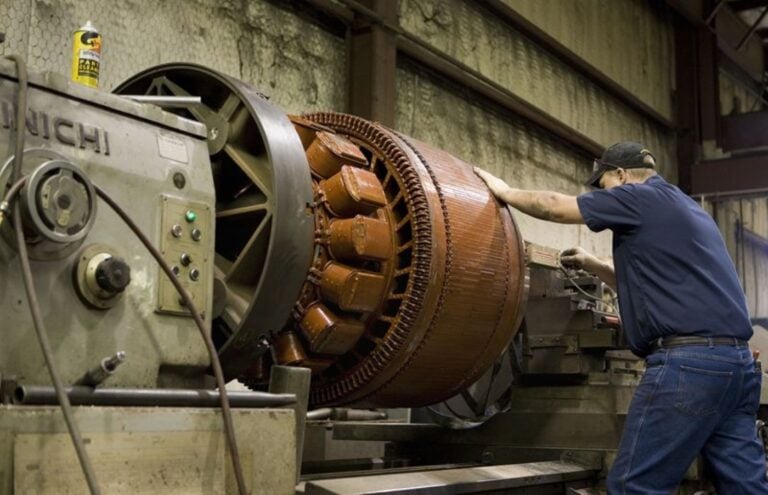
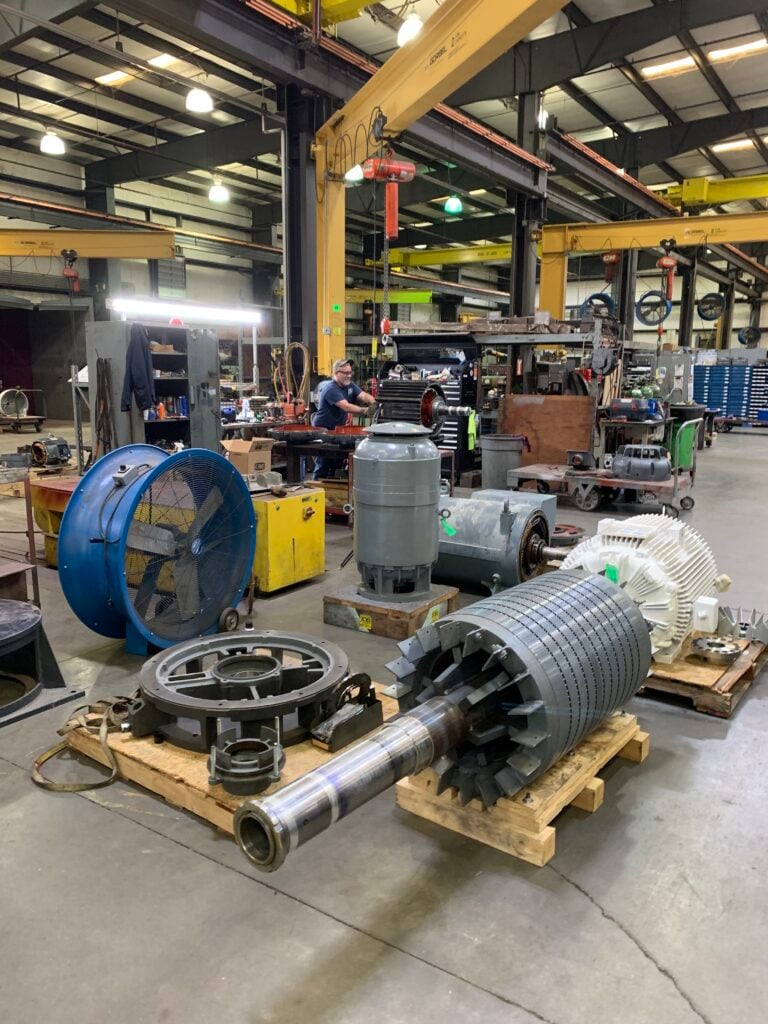
DC traction motors have one failure point that’s specific to them: the field coil. Field coils are part of the magnet assembly that turns the motor, and when one goes bad, a routine cleanup can turn into a bigger repair once the unit is opened up on the bench.
Environment plays a role too. Traction motors sit on the underside of the locomotive, which means moisture, grit, and general abuse are part of the job description. Units that come through our shop in Lyons, Kansas often look every bit as rough as you’d expect from something that lives a few inches off the rail.
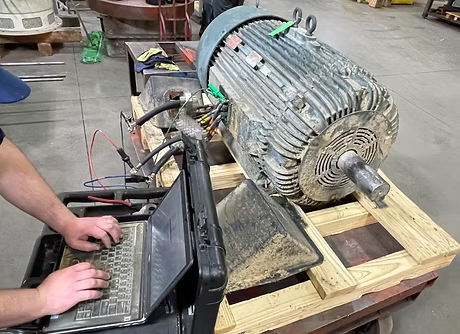
That’s part of why teardown testing matters. Insulation resistance testing, what most of our customers just call megger testing, catches problems the field can’t always see. We’ve opened up units where the customer had no idea a winding or field coil issue was building, simply because it hadn’t failed outright yet.
Building a DC Traction Motor Maintenance Program Instead of Running to Failure
For many of the railroads we work with, traction motor upkeep comes down to one of two approaches: react fast when something fails, or keep a small stash of parts on hand and manage it in-house. Very few run anything like a formal program.
The practical middle ground is a core exchange program. When a traction motor fails, you ship us the core, the failed unit, and we ship out a rebuilt traction motor already sitting on our shelf. For customers in Kansas and surrounding areas, that exchange can happen the same day, which means your locomotive is often back in service before the failed core has even finished the trip to our shop.
One of our railroad customers runs a smarter version of the same idea. They keep four or five of their own traction motors in reserve, so when one needs work, we handle it as a straight repair and return, typically a two- to four-week turnaround, with no scrambling required on either end.
We also help with something almost every railroad has and rarely thinks about: the boneyard. Most railroads have a pile of retired traction motors sitting around from decommissioned locomotives. We walked one customer’s boneyard and sorted every unit into what’s repairable, what should be scrapped, and what’s worth bringing back to our shop. It’s a way to turn dead inventory into a working asset instead of letting it sit and rust in a field.
What an AC Traction Motor Maintenance Program Looks Like
Most of our maintenance conversations so far have centered on the DC traction motors already running in customer fleets. Whether that same pattern holds for AC units, especially at larger operations that manage maintenance differently, is something we’re still learning as more of these units come through our shop.
The one model that already works comes from a customer that already stocks its own spare traction motors: pull a single locomotive out of service on a planned basis and use that window to service every traction motor on it, whether or not any of them have failed yet. It’s a small shift from run-to-failure toward something closer to preventative care, and it fits the reality of a railroad that can’t take every locomotive out of service at once.
We won’t pretend that’s an easy sell everywhere. A scheduled cleanup can look like an unnecessary expense to a maintenance team watching every dollar, and that’s a mindset we run into often in this industry. The case for it only holds up when you weigh it against what an unplanned outage costs in downtime and emergency turnaround. That’s a conversation worth having before the next failure forces it.
Why Railroads Choose Independent Electric
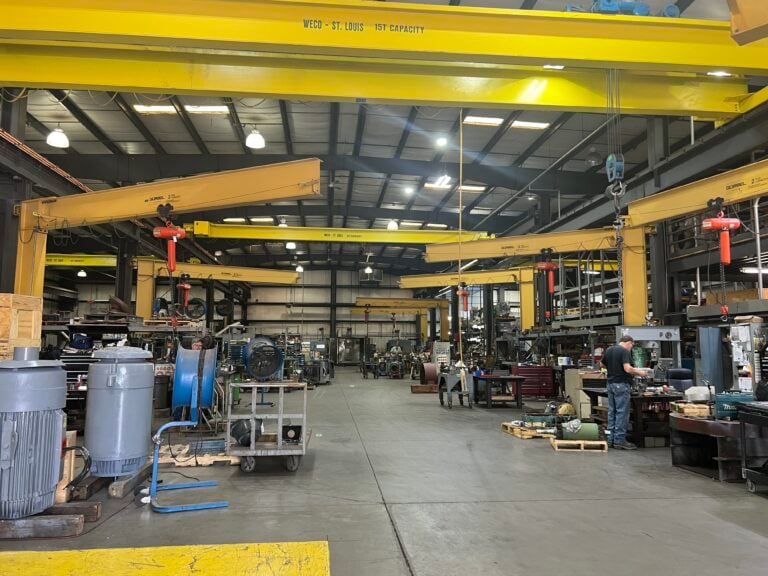
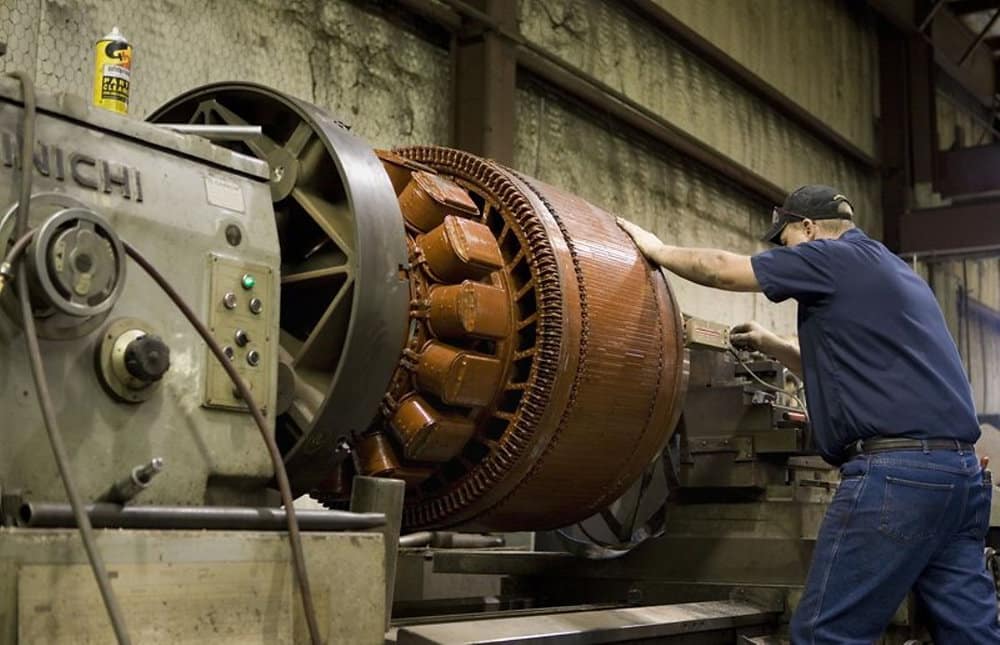
We have been rebuilding rotating electrical equipment since 1908, and our railroad customers get the same EASA-accredited process we run for every motor that comes through our doors. We handle full rebuilds, rewinding, and maintenance on both AC and DC traction motors, all performed to AAR standards.
There’s a regional fact that matters more than it might seem: we’re the only EASA motor repair shop in Kansas or Missouri that repairs traction motors. One railroad owner we met at an industry event was sending traction motors from a railroad in Washington state all the way to a shop in Florida, which says something about how few options exist nationally for this kind of work.
Another one of our customers found us a different way. Before switching to Independent Electric a few years ago, this railroad was shipping traction motors to a shop in Texas, which, as we understood it, was routing some of that work to Mexico, and running into quality problems as a result. That relationship has grown into one of our biggest rail accounts, closing in on a top ten customer company-wide, and it’s one of several long-term rail partnerships we count on today.
Ready to Talk About Your Traction Motor Maintenance Program?
AC and DC traction motors fail for different reasons, but the railroads that avoid the worst downtime are the ones pairing that knowledge with a plan, whether that’s a core exchange partnership, a stocked inventory, or a scheduled maintenance window. The railroads still running on hope alone are the ones calling us after a motor has already failed.
If you want to talk through what a maintenance program or core exchange partnership could look like for your fleet, reach out to our railroad services team. You can also see the full scope of what we handle on the railroad services page.